
A cleaner indoor upgrade for spring—less odor, healthier air, and a smarter long-term finish for Janesville homes.
April is the month when windows crack open, fresh air returns, and home projects move from “someday” to “now.” If repainting is on your list this spring, the most practical wellness upgrade you can make isn’t a trendy color—it’s choosing a low-VOC (or zero-VOC) paint system that supports healthier indoor air and a more sustainable outcome.
Low-VOC paints aren’t marketing fluff anymore. Modern options perform exceptionally well, and they reduce the chemical load that can linger in your home during and after a project—especially important for families, pets, and anyone sensitive to odors.
For the deeper breakdown, start here: Low-VOC Paints: Are They Worth It?
What “VOC” actually means—and why it matters in spring
VOCs (volatile organic compounds) are chemicals that evaporate into the air as paint dries and cures. Traditional paints can release noticeable fumes during application and for a period afterward.
Why April is the perfect time to care:
- You’re more likely to ventilate (open windows, run fans) without freezing the house.
- Allergy season is already challenging—adding heavy paint odor on top of it is unnecessary.
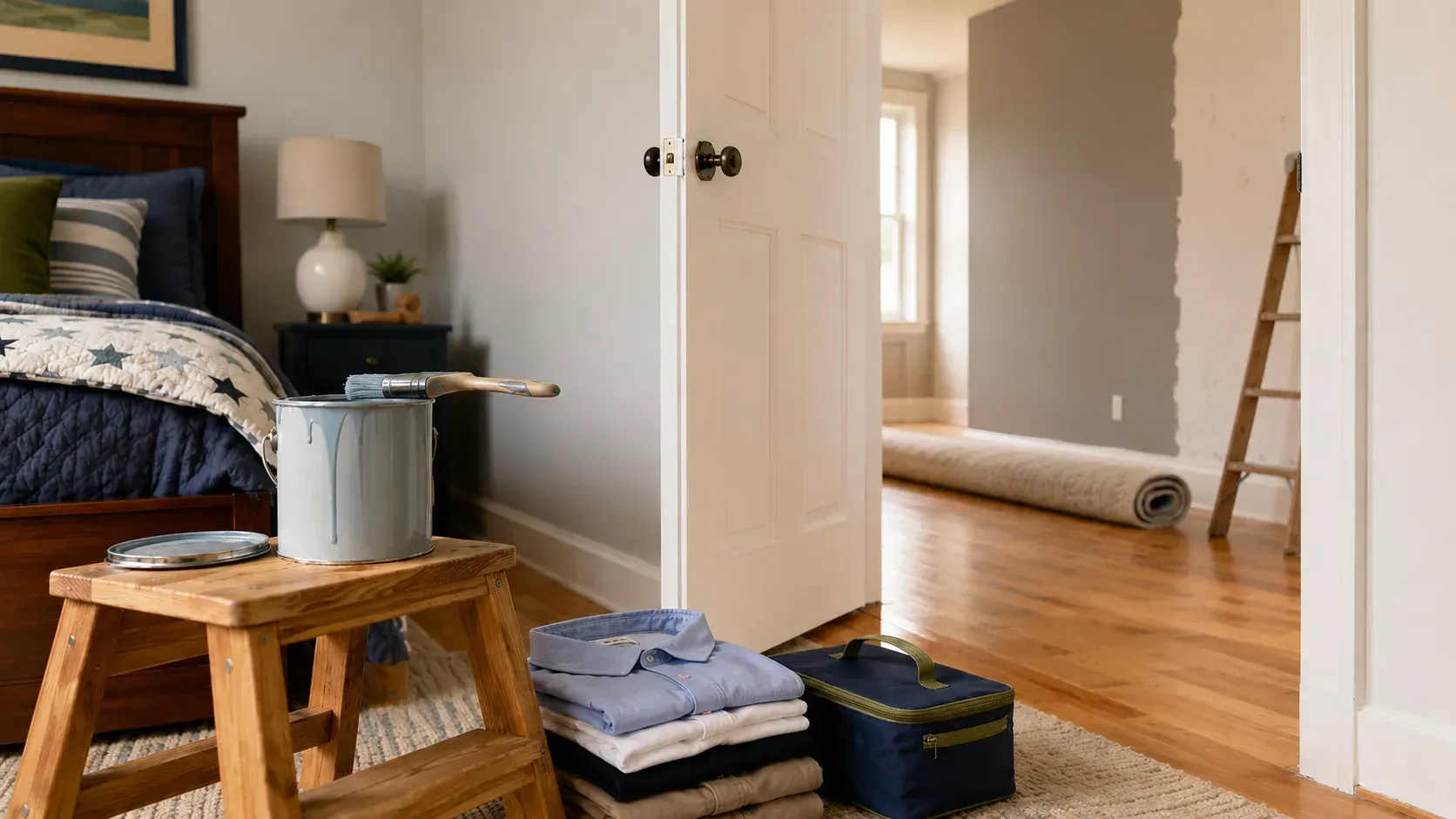
- Spring projects often include bedrooms, nurseries, kitchens, and living areas—spaces you need back quickly.
The real value: wellness, comfort, and a better lived-in experience
Low-VOC paints are a strong choice for homeowners who want a healthier project from start to finish:
1) Less odor and quicker comfort
Even if you’re not “sensitive,” strong paint smell is disruptive. Low-VOC products typically mean:
- less lingering odor
- more comfortable occupancy sooner
- fewer headaches and irritation for some households
2) Better indoor air quality decisions (especially for kids and pets)
Bedrooms, nurseries, playrooms, and family rooms are where low-VOC makes the most sense—because those rooms are occupied the most.
3) Sustainability that’s actually practical
This isn’t about being perfect—it’s about making a better choice where it counts:
- fewer airborne emissions during painting
- often improved formulation standards from major manufacturers
- a more responsible option without sacrificing durability
Low-VOC vs. Zero-VOC: what to look for (so you don’t get fooled)
Here’s the part many homeowners miss:
- “Zero-VOC base” can still become low-VOC once tinted (colorants can add VOCs).
- Some paints are low-odor but not necessarily low-VOC.
- The best choice is the full system: primer + topcoat + correct finish, matched to the room.
If you want the short, homeowner-proof checklist:
- Choose reputable brands with documented VOC levels
- Use the right finish for the room (kitchens, hallways, and mudrooms need cleanability)
- Don’t skip prep—paint performance is built on prep, not promises
If you’re also selecting finishes for high-traffic rooms, this pairs well: How to Choose the Right Paint Finish for Each Room
Where low-VOC makes the biggest impact in your home
If you’re prioritizing rooms this spring, start here:
- Bedrooms and nurseries (comfort + air quality)
- Living rooms and family rooms (high occupancy)
- Hallways and stairwells (frequent contact, frequent cleaning)
- Kitchens (shared space + ventilation challenges at times)
Need service info? See: Interior Painting in Janesville & Surrounding Areas
April pro tips to make low-VOC choices work even better
Low-VOC is a strong move. These reminders make it stronger:
- Ventilate strategically: cross-breeze + fans exhausting outward
- Plan the sequence: paint low-use rooms first, high-use rooms last
- Let paint cure: “dry to touch” isn’t the same as “fully cured” (important for washing walls)
- Choose washable finishes where needed: durability reduces repaint frequency (which is sustainability, too)
Bottom line
Low-VOC paints are a high-value upgrade because they improve the painting experience without forcing tradeoffs in appearance or durability. For April projects, that means a fresher home, faster comfort, and a smarter long-term choice.
If you want help selecting the right low-VOC system for your rooms (including finishes, primers, and durability for real-life wear), give us a call or fill out a contact form.