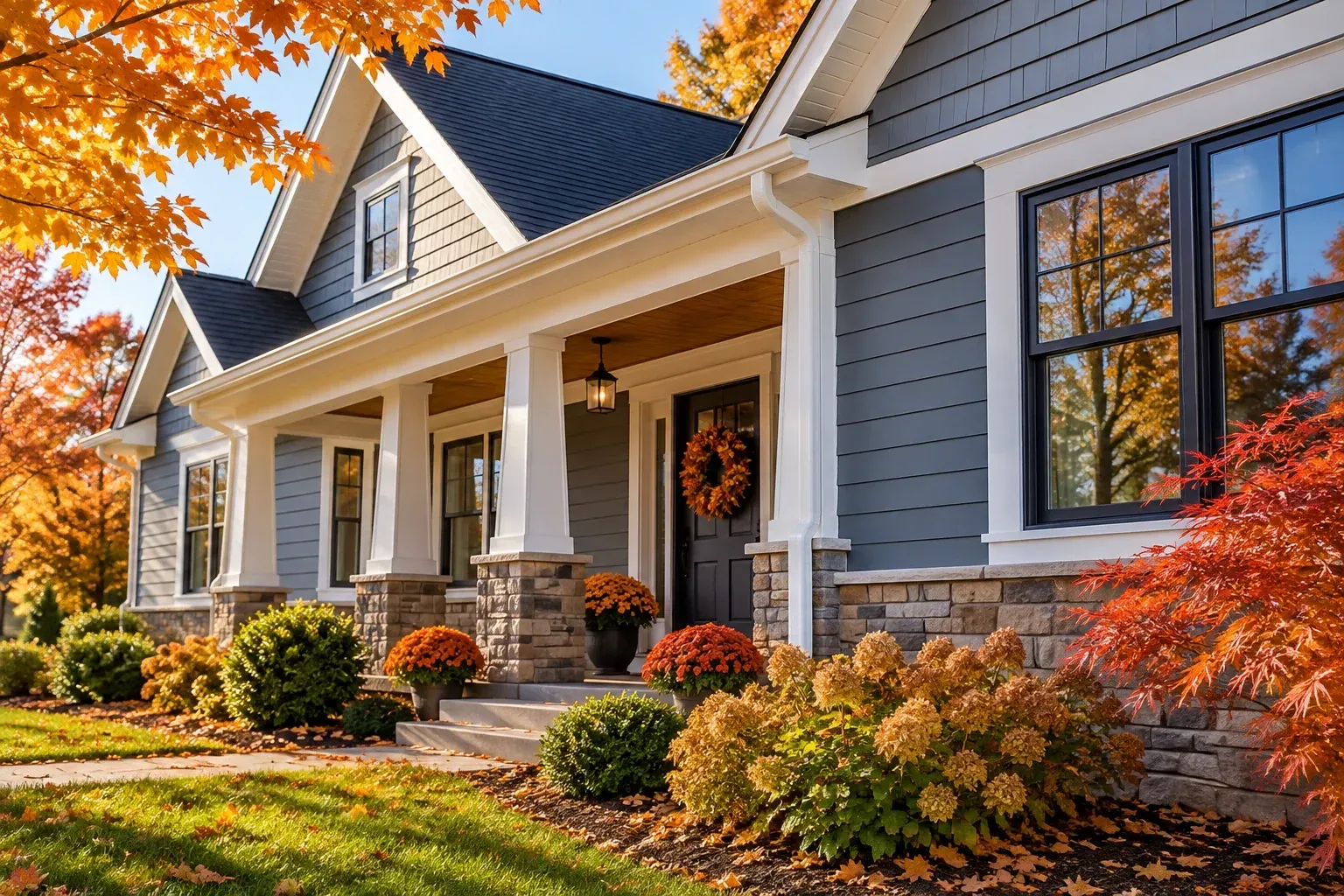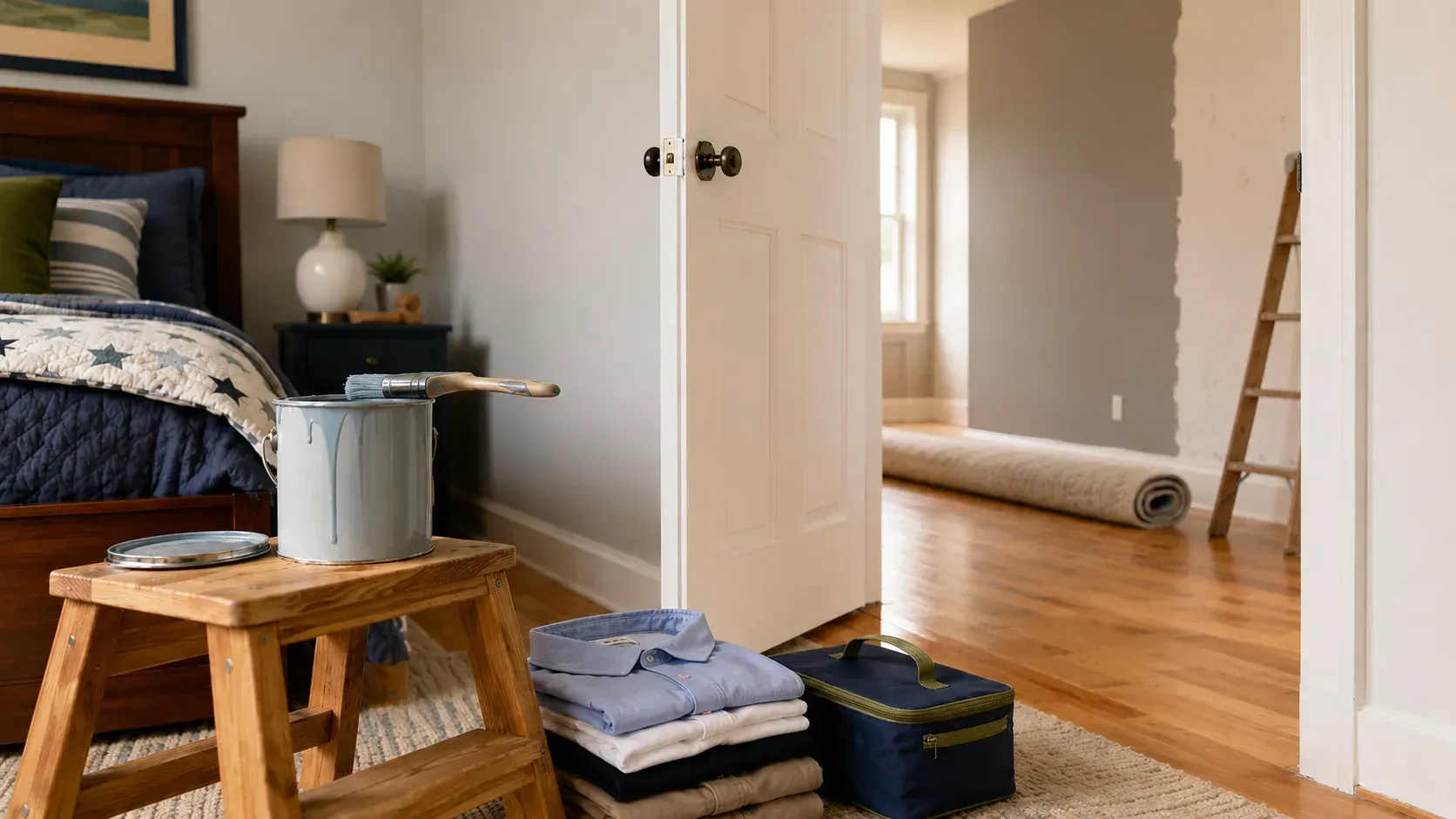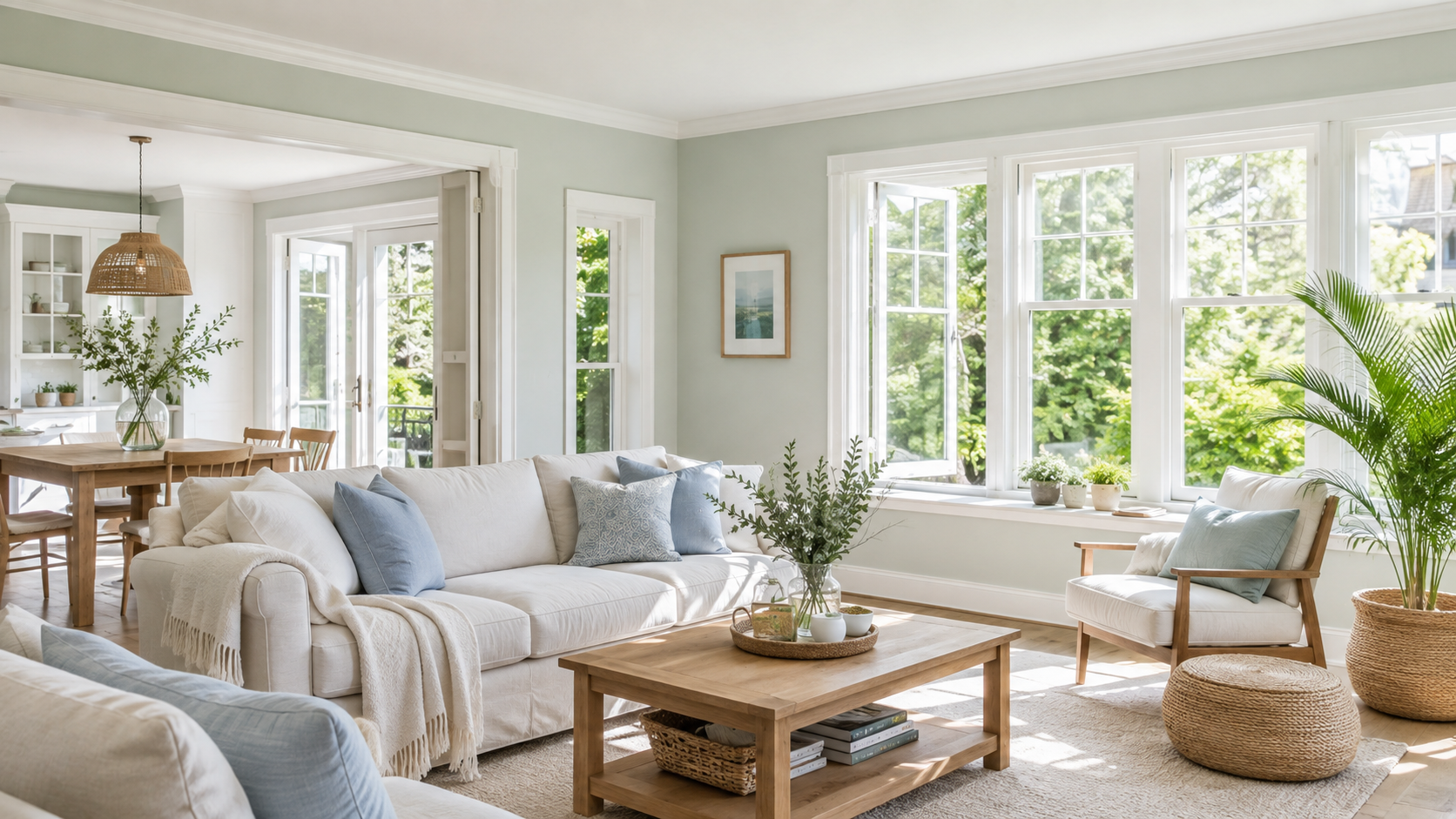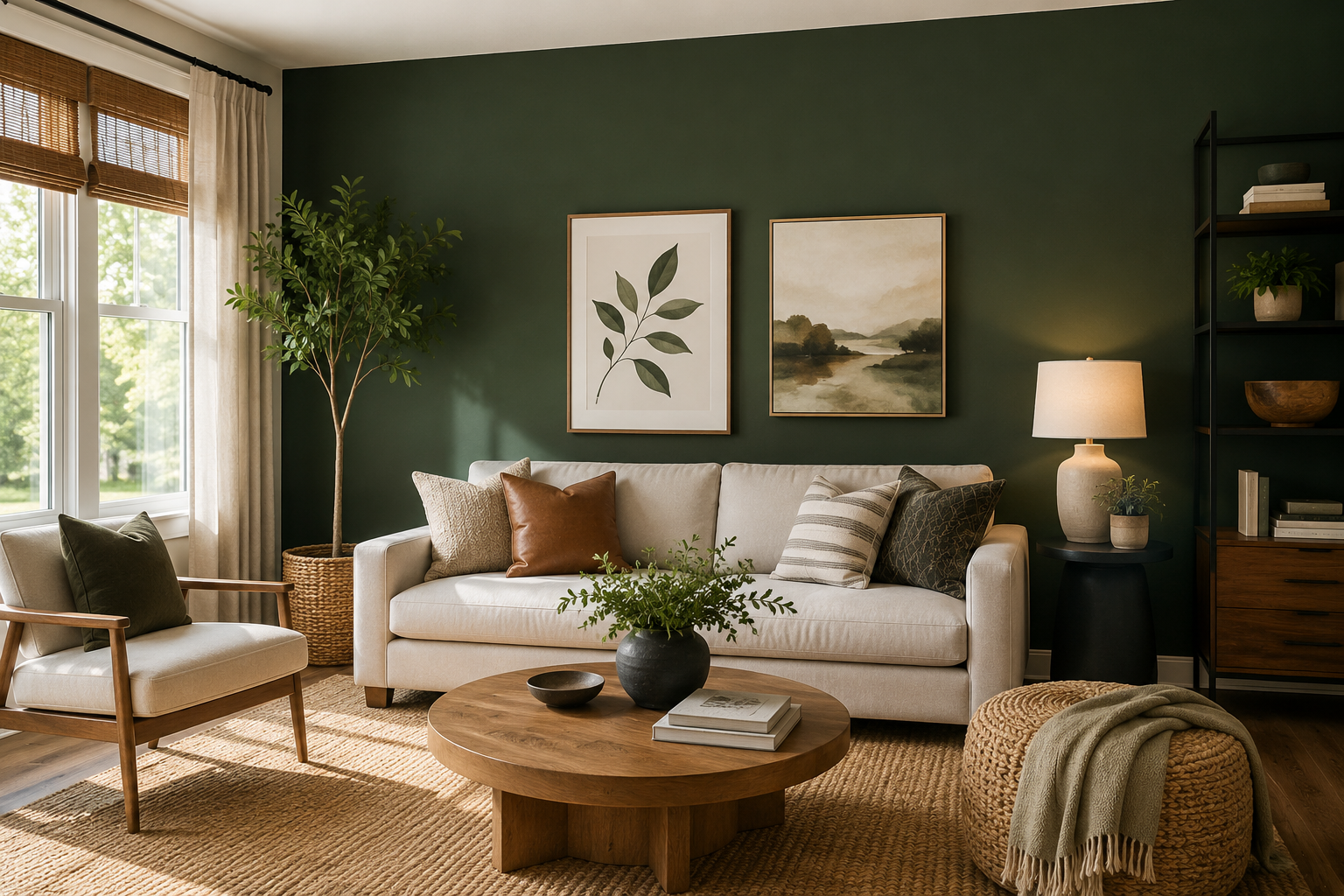

A straightforward repaint schedule for interiors and exteriors—plus smart spring reminders that help your paint job last longer.
Spring is when homeowners notice everything: scuffed trim, faded siding, nail pops, and that wall color you “might change someday.” If you’re thinking about a refresh, the real question isn’t whether you should repaint—it’s whether you’re on schedule or already overdue.
Here’s a practical repaint timing guide (interior and exterior), updated with spring-specific reminders so you can plan the work, budget correctly, and avoid painting at the worst possible time.
The honest truth: repaint timing isn’t one-size-fits-all
Paint lifespan depends on five variables that matter more than the calendar:
- Sun exposure (south/west sides fade faster)
- Moisture (bathrooms, kitchens, shaded exteriors, snow/ice)
- Traffic and cleaning (kids, pets, high-touch walls/trim)
- Surface prep quality (the job is only as good as what’s under it)
- Product choice and finish (cheap paint + wrong sheen = early failure)
That said, homeowners need a baseline. Here it is.
Interior repaint schedule (real-world ranges)
Walls: every 5–10 years (sometimes sooner)
- 5–7 years for most living rooms and bedrooms if you want it looking crisp.
- 3–5 years for high-traffic spaces like hallways, mudrooms, and kitchens.
- 2–4 years in kids’ rooms if you’re dealing with marks, stickers, and frequent cleaning.
If you’re constantly spot-touching, it usually means the paint film is worn or the original finish/paint quality wasn’t built for scrubbing.
Trim and doors: every 2–6 years
Trim gets abused. Spring is a great time to repaint because you’ll see:
- vacuum scuffs on baseboards
- hand oils around door frames
- chipped corners on window stools and casing
If trim looks dull or “dirty” even after cleaning, that’s not dirt—it’s a worn finish.
Ceilings: every 7–15 years (unless you have stains)
Ceilings last longer, but repaint if you see:
- yellowing
- water stains
- patchwork from repairs
- shadowing near HVAC vents
Exterior repaint schedule (what to expect)
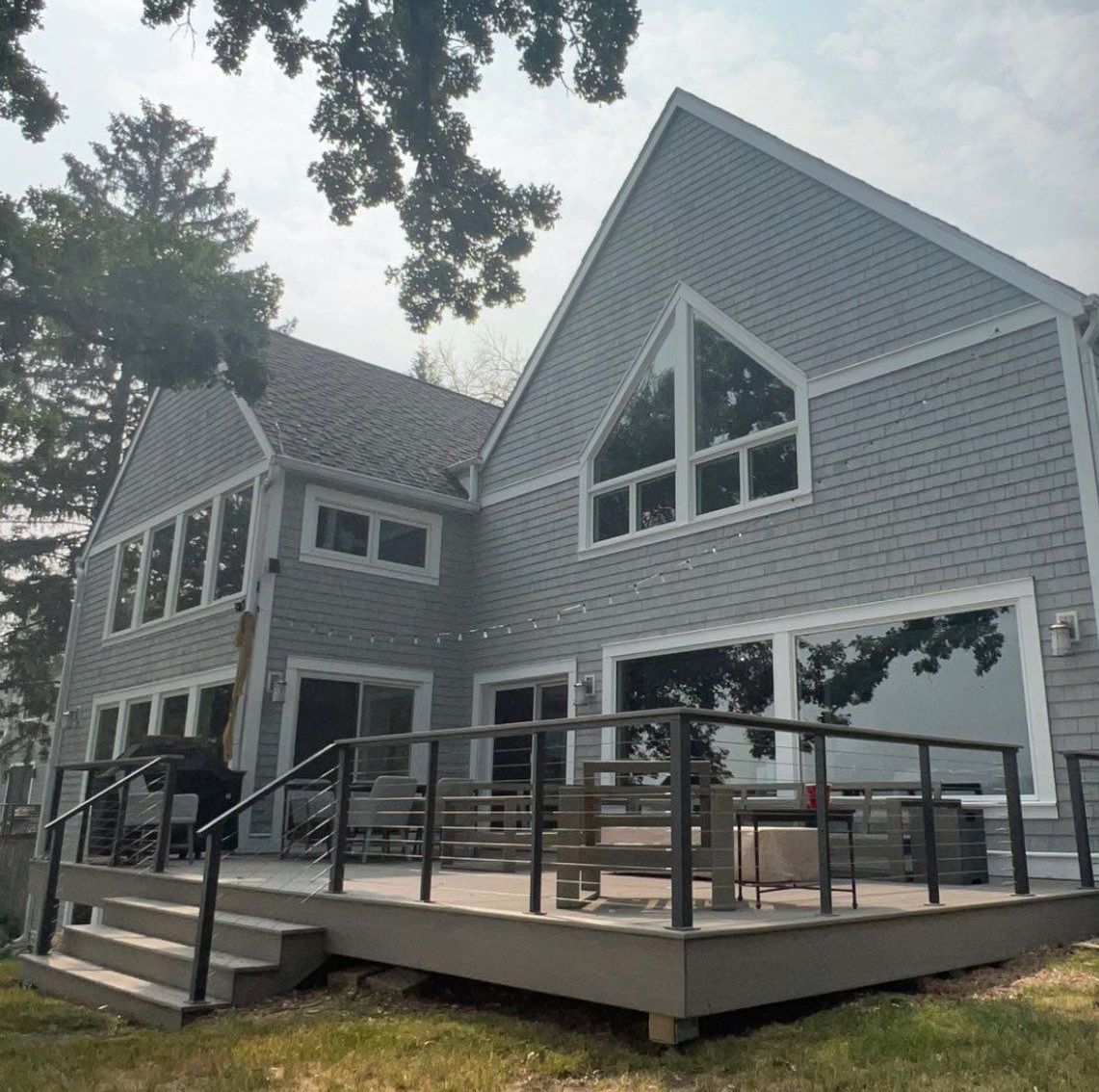
Siding: every 5–10 years (material + exposure matters)
- Wood siding: typically 3–7 years depending on sun and moisture.
- Fiber cement / engineered wood: often 7–12 years with proper prep and quality paint.
- Aluminum / metal: 5–10 years, but chalking and oxidation can shorten this.
Trim, fascia, soffits: every 4–8 years
These edges take the brunt of weather. If you let trim fail, the rest of the exterior follows.
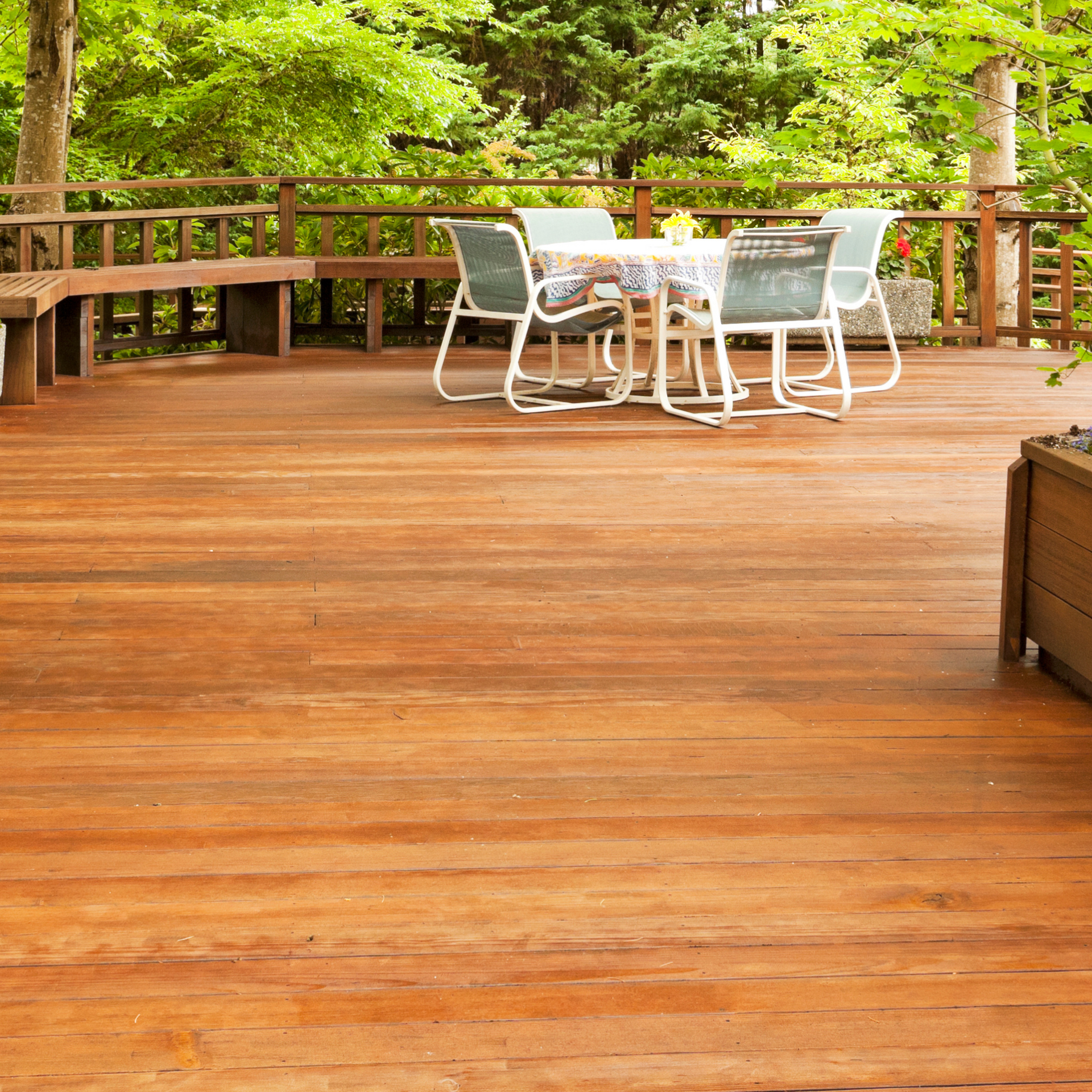
Decks, railings, and stained surfaces: every 1–3 years
If you’re refreshing deck stain/paint, spring checks are mandatory because winter is rough on horizontal surfaces.
Spring reminders that save paint jobs (and money)
1) Do a “walk-around inspection” now—not the week you want to paint
Spring reveals damage that winter hid. Look for:
- peeling or bubbling paint
- cracking caulk at joints
- soft or darkened wood near corners
- mildew on shaded sides
- chalky residue (rub the siding—if your hand gets powdery, the coating is breaking down)
If you catch these early, you can repair and repaint before water gets behind the coating.
2) Don’t paint too early in spring
The weather might feel good, but paint cares about:
- overnight lows
- surface temperature
- humidity
- rain windows
Painting when it’s too cold or damp can lead to poor adhesion and early peeling. If the forecast is bouncing, wait for stable conditions.
3) Power washing isn’t optional—but it’s not a “same-day paint” step either
Washing helps paint stick, but surfaces must be fully dry before priming/painting. Rushing this is a classic reason exterior paint fails early.
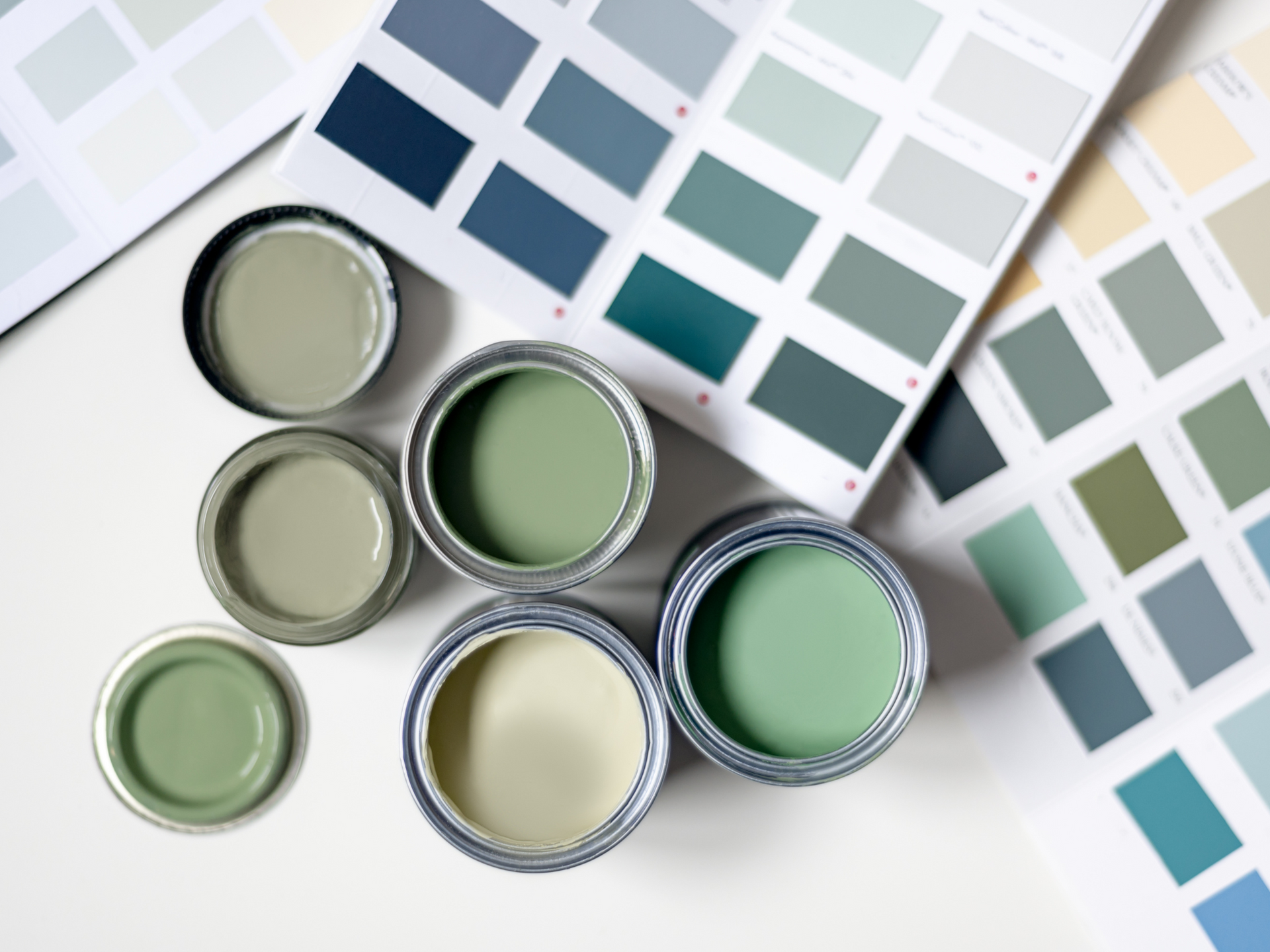
4) Spring is the best time to choose colors strategically
If you’re updating color, spring light shows undertones more clearly. Test swatches in:
- morning light
- afternoon light
- evening shade
That prevents the “it looked perfect in the store” problem.
Signs you should repaint now (even if you’re not “due”)
If you see any of these, timing is no longer theoretical:
- paint is peeling, flaking, or bubbling
- caulk is split and gaps are visible
- trim corners are bare or exposed
- interior walls look shiny in spots from repeated cleaning (burnishing)
- stains bleed through or keep returning
- your exterior looks faded and chalky
Those are early warnings that your home is losing its protective layer—not just its curb appeal.
Best spring repaint targets (highest impact)
If you want maximum visual payoff without repainting everything:
- Front door + trim refresh (instant curb appeal)
- Hallway walls and baseboards (most visible wear zone)
- Kitchen walls in a washable finish (looks cleaner immediately)
- Bathroom repaint with moisture-resistant products (prevents recurring issues)
- Stair rails and handrails (high-touch, easy upgrade)
Bottom line: use spring to reset the clock
A good repaint isn’t just cosmetic—it’s maintenance that protects your surfaces. Spring is the right season to inspect, plan, and execute while conditions are improving and problems are easy to spot.
If you want the repaint schedule applied to your specific home (sun exposure, siding type, high-traffic areas, and current paint condition), Jimmy’s Painters can recommend the right timing and the right products so you’re not repainting again sooner than you should.